
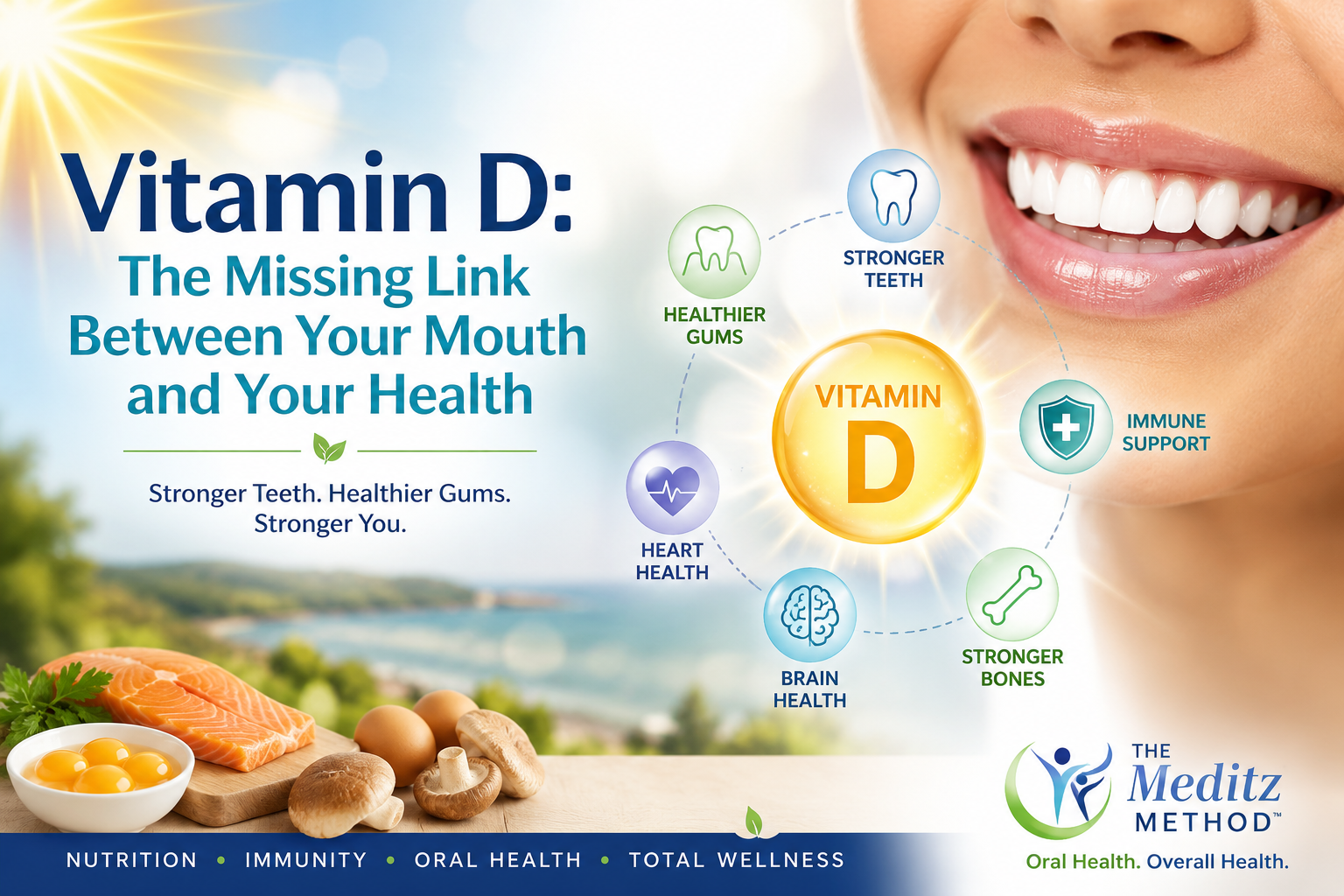
What if one of the most important nutrients for keeping your teeth and gums healthy isn’t found in your toothpaste—but in your bloodstream?
Vitamin D is often called the “sunshine vitamin,” but its role extends far beyond building strong bones. Emerging research continues to demonstrate that Vitamin D plays a critical role in oral health, immune function, inflammation control, and your body’s ability to fight infection—including the harmful bacteria that contribute to periodontal (gum) disease.
Unfortunately, Vitamin D deficiency is incredibly common. Millions of Americans have suboptimal levels without ever realizing it. If you’re struggling with bleeding gums, periodontal disease, dental implant complications, or chronic inflammation, Vitamin D may be one of the missing pieces of the puzzle.
Why Vitamin D Matters for Your Mouth
Your mouth is the gateway to your body. Healthy gums and teeth depend upon a healthy immune response and the body’s ability to maintain and rebuild bone and soft tissue. Vitamin D influences all of these functions.
Vitamin D helps:
- Regulate the immune system
- Reduce inflammation throughout the body
- Promote calcium absorption for healthy teeth and jawbone
- Support wound healing
- Produce antimicrobial peptides that help fight harmful bacteria
- Maintain healthy bone density around natural teeth and dental implants
Without adequate Vitamin D, your body has a more difficult time controlling inflammation and fighting oral infections.
Vitamin D and Periodontal Disease
Periodontal disease is much more than a dental problem. It is a chronic inflammatory infection that has been associated with heart disease, diabetes, stroke, Alzheimer’s disease, and other systemic conditions.
Vitamin D plays a protective role because it helps regulate the inflammatory response. Studies have shown that individuals with higher Vitamin D levels tend to have:
- Less bleeding on probing
- Reduced periodontal inflammation
- Lower rates of attachment loss
- Improved healing following periodontal treatment
Think of Vitamin D as one of your body’s natural immune system coaches. When Vitamin D levels are optimal, your immune system is better equipped to distinguish between harmful pathogens and healthy tissues, helping to prevent excessive inflammation that damages the gums and supporting bone.
Vitamin D Supports Healthy Bone
Your teeth are only as strong as the bone that supports them. That’s why Osteo Therapy+, designed for oral health, is available at https://cleankiss.com/shop
Vitamin D is essential for calcium absorption and proper bone metabolism. Low Vitamin D levels can contribute to:
- Bone loss around teeth
- Increased risk of periodontal disease progression
- Delayed healing after dental procedures
- Increased risk of dental implant complications
- Osteopenia and osteoporosis affecting the jawbone
For patients considering dental implants, evaluating Vitamin D status may be particularly important. Successful implant integration depends on healthy bone formation and the body’s ability to heal efficiently.
Vitamin D and Dental Implant Success
Dental implants have become one of the most popular solutions for missing teeth, yet many patients are never screened for nutritional deficiencies before implant placement.
Vitamin D contributes to:
- Osseointegration (the bonding of bone to the implant surface)
- Reduced inflammatory responses
- Improved immune function
- Faster tissue healing
- Better long-term bone maintenance
Low Vitamin D levels have been associated in several studies with delayed healing and a greater likelihood of early implant failure. While Vitamin D is certainly not the only factor affecting implant success, it is one that is often overlooked.
If you’re investing thousands of dollars in dental implants, knowing your Vitamin D status may be one of the smartest steps you can take.
Vitamin D Is Also an Anti-Inflammatory Nutrient
Chronic inflammation is at the center of many of today’s most common diseases.
Vitamin D helps regulate inflammatory markers throughout the body. Because periodontal disease is fundamentally an inflammatory disease, maintaining optimal Vitamin D levels can support both oral and systemic health.
Many Oral Systemic Health practitioners recommend evaluating:
- Vitamin D levels
- C-reactive protein (CRP)
- Hemoglobin A1c
- Blood pressure
- Other inflammatory and metabolic markers
These measurements help provide a more complete picture of your overall health—not just what is happening inside your mouth.
Are You Getting Enough Vitamin D?
You cannot accurately determine your Vitamin D status simply by how much sunlight you receive or the supplements you take.
The most reliable way is through a simple blood test measuring 25-hydroxy Vitamin D.
Factors that can contribute to deficiency include:
- Limited sun exposure
- Aging
- Chronic inflammation
- Certain medications
- Digestive disorders
- Obesity
- Poor dietary intake
Many individuals who appear healthy may still have insufficient levels.
Building a Healthy Mouth Starts from Within
Brushing, flossing, and professional dental care are essential—but true oral health is never just about cleaning teeth.
Healthy gums require:
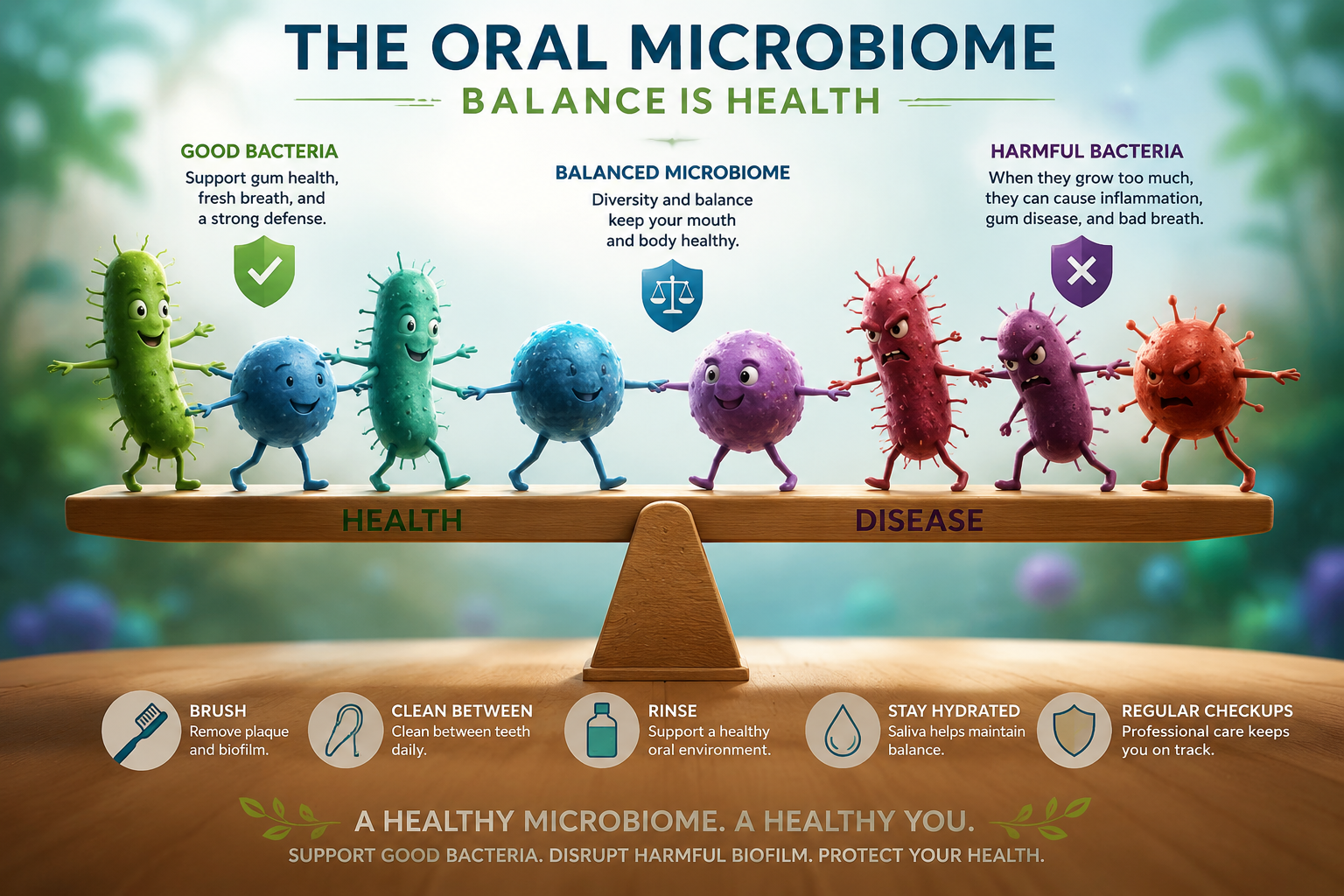
- A balanced oral microbiome
- Reduced inflammation
- Strong immune function
- Healthy bone metabolism
- Proper nutrition
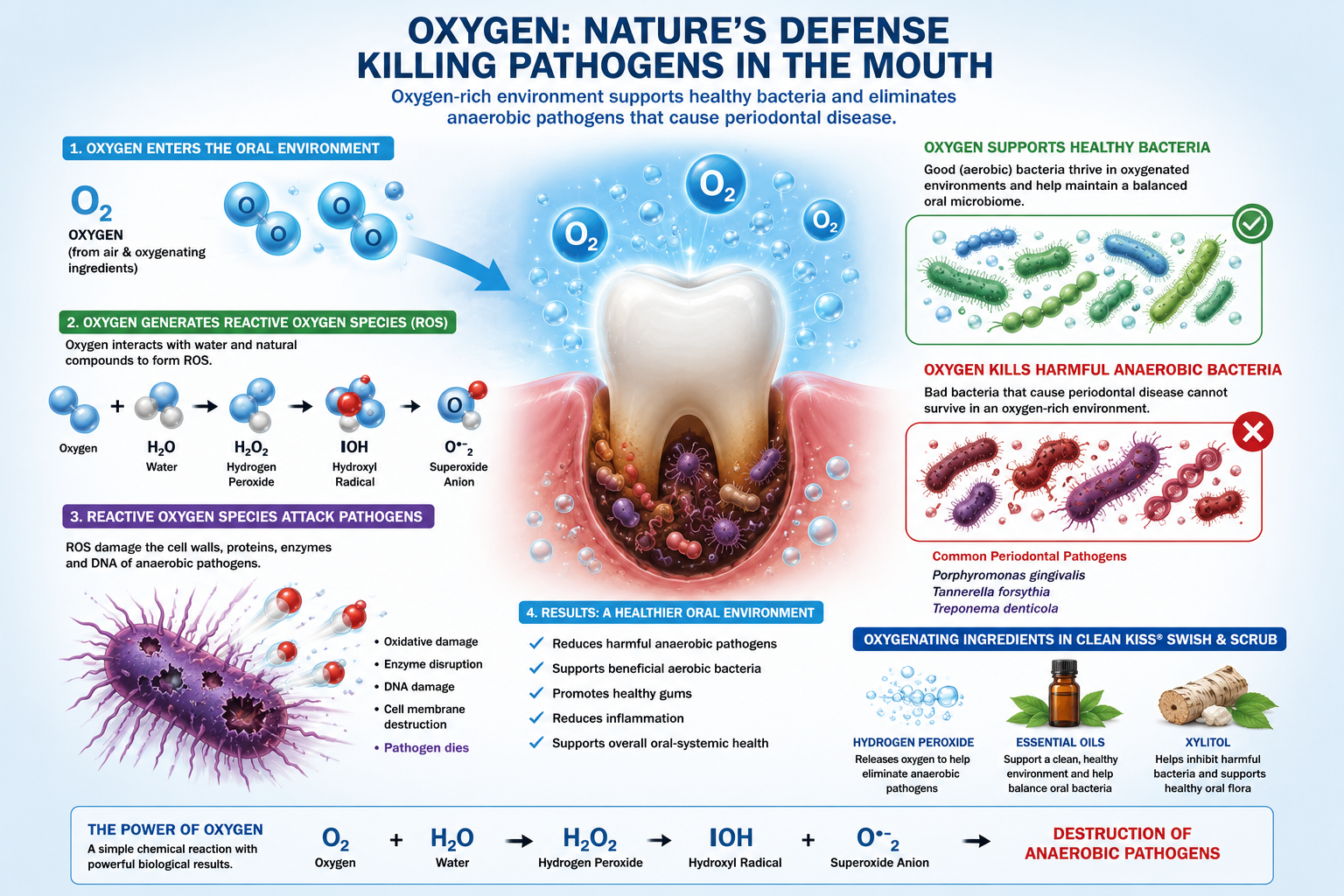
- Oxygen-rich oral environments
- Optimal Vitamin D levels
Your mouth reflects what is happening throughout your body. Osteo Therapy+, designed to support Oral health, is available at https://cleankiss.com/shop
When dentists begin looking beyond teeth and start evaluating the factors that influence whole-body health, patients benefit in ways that extend far beyond their next dental cleaning.
The Bottom Line
Vitamin D is one of the most powerful—and overlooked—nutrients in oral health. It supports your immune system, helps regulate inflammation, strengthens bone, and contributes to healthier gums and improved healing.
If you have periodontal disease, are considering dental implants, or simply want to improve your overall health, ask your healthcare provider to check your Vitamin D levels.
Sometimes the healthiest smile begins long before you pick up your toothbrush.
Because a healthy mouth isn’t separate from a healthy body—it’s where health begins.

Leave A Comment